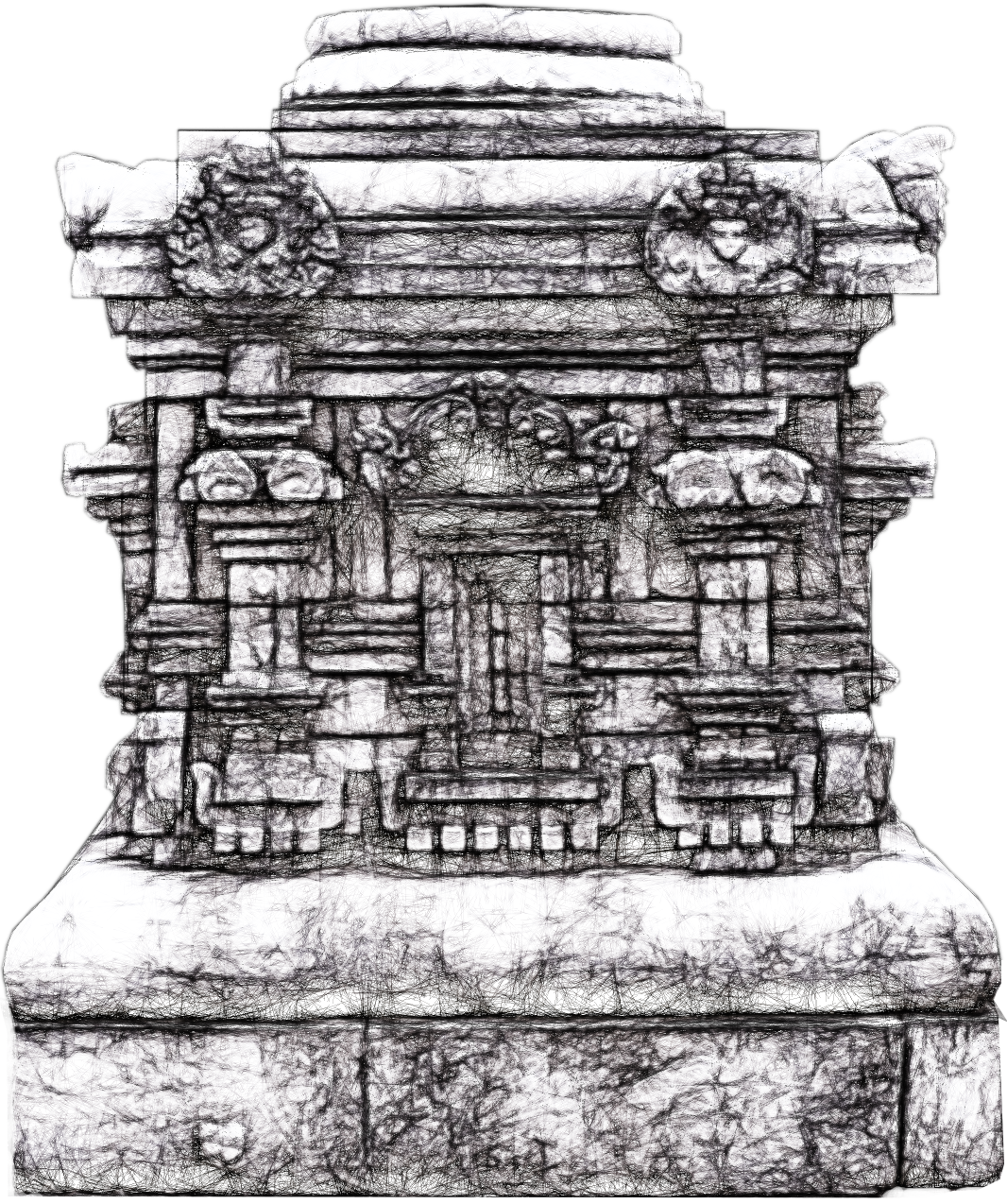
The temple is situated on a vast hillock in Tiruvārppu panchayat of Kōttayam district in the Kōttayam-Tiruvārppu bus route at a distance of 1 km from Kāññiram junction. Now known and popular as a Bhagavathy temple with Kṝshṇa, Śiva and other deities as upadevatās, the temple in the distant past was a Budhist place of worship. Even now, local belief is that it is Lord Budha who is propitiated as Kṝshṇa here. The indications to Budhist remnants points to the antiquity of the temple, anywhere downwards from 3rd century A.D. and the conversion of the Buddhist palli as a Hindu temple must have taken place after 8th century A.D. when Brāhmin immigrants from Ahichathra in U.P. (Āryāvartha) settled on the west coast in large numbers defeating Buddhists in philosophic contests. The Bhagavathy temple structures as we see today must have been of the 12th century when the Thekkumkūr Rājās (off shoot of Vempolinadu) were reigning the area. The Devi's abode is in a square Śrikōvil with a Maṇḍapa in front in Drāvida Kerala style, circumscribed by a tiled nālambalam. The temple faces west. Nīlamperūr palli bhagavathy temple, again considered a Budhist worship center in the distant past, is about 18 kilometres from Kilirūrkunnil temple.
Resources available in the Internet:
1
2