
 This ancient Śiva temple, an impressive east-facing structure, is situated in the Talappiḷḷi tāluk of the Thriśśur district. It is located approximately 2 kilometers from the Taḷi Road Bus stop on the Paṭṭambi - Nelluvāya route. The deity is also known as Nityavichārēswara.
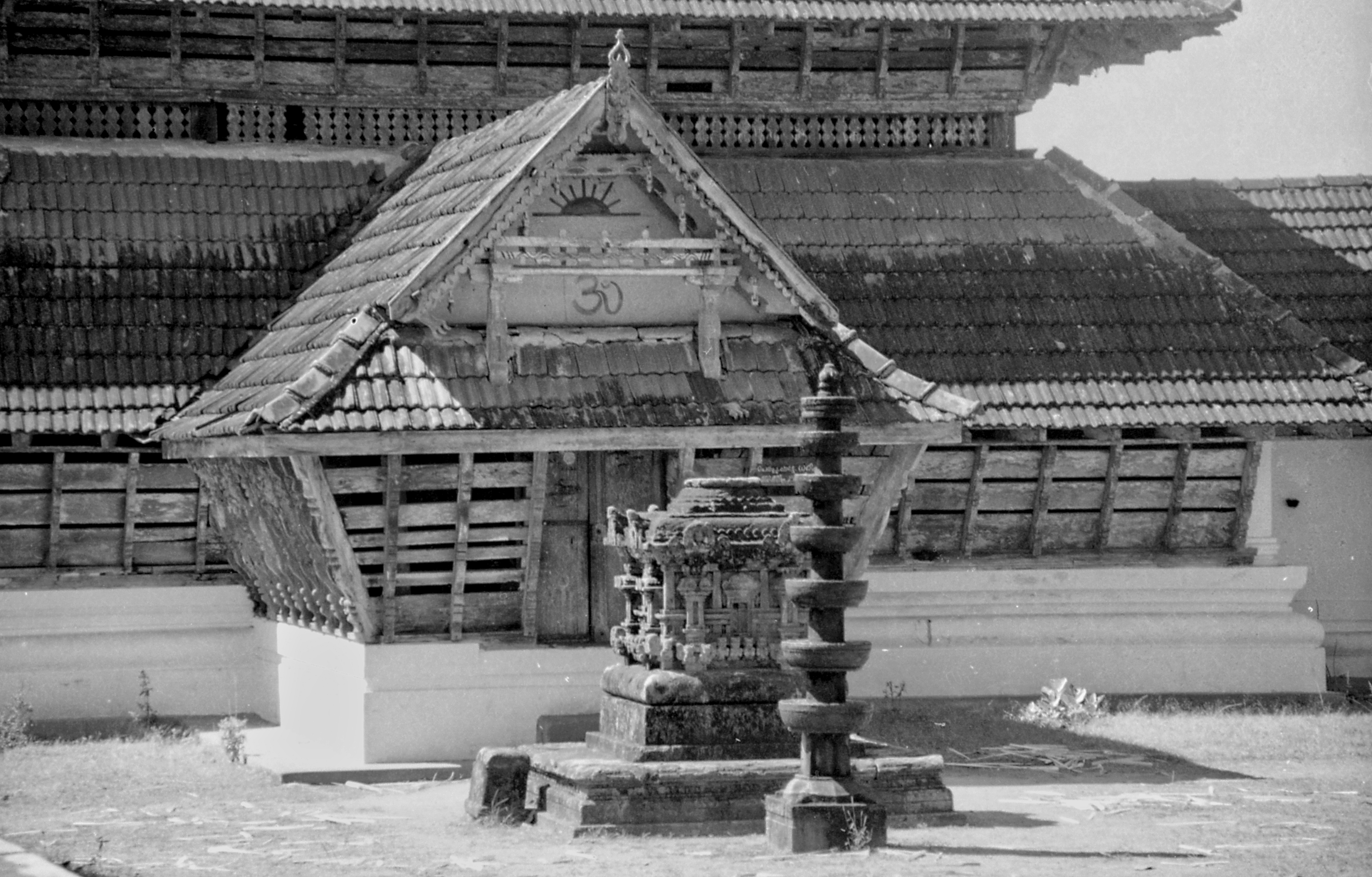
Upon entering, one first encounters the open-air balikkal in the backdrop of mukhappu (entrance porch), followed by the two-storied vāthilmādam (gateway) and then the top tier of the two-storied śrīkōvil crowned with its stupi (finial).
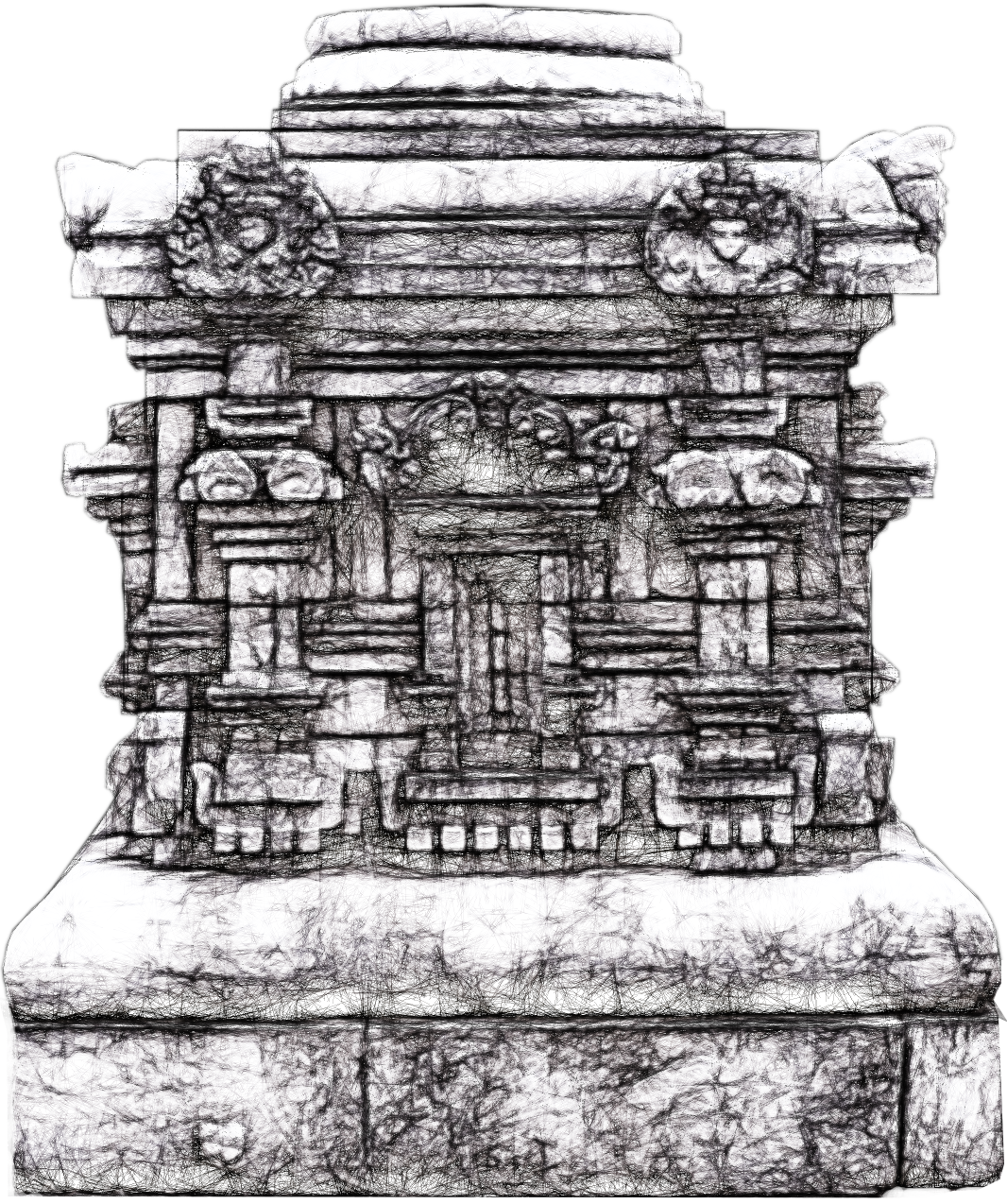
The square-plan śrīkōvil is constructed entirely of laterite blocks and features an attached mukha-maṇṭapa. The principal shrine has a dvitala tiled roof. The roof over the mukha-maṇṭapa extends as a suka-nāsa (spout-like projection) from the two-storied sanctum. A flight of eight steps leads up to the mukha-maṇṭapa. The granite sōpāna is flanked by hasti-hasta banisters, each carved with an arch enclosing a figure of Ganapathy on one side and a purna kumbha on the other. Two granite dvārapālakas stand at the entrance to the mukha-maṇṭapa. Inside the inner chamber, the Shiva linga rests on a high pedestal. Notably, the main shrine lacks a namaskāra-maṇṭapa. Built on a high adhishṭhāna, the Nityavichārēswara shrine is an imposing edifice.
Lord Shiva in this temple is revered as Tiru Mā Taḷiyappan, meaning "the great lord of Taḷi". This temple is believed to be one of the two royal temples of the former Neḍumpuraiyūr Nādu, the other being the Neḍumpura Śiva temple (Kulaśēkharanallūr).
The Neḍumpuṛam Taḷi temple holds significant historical importance due to the numerous inscriptions found within its premises. These inscriptions have provided valuable insights for historians in reconstructing the distant past.
Key highlights from these inscriptions1 include:
- The mention of Kali year in one inscription, which aided historians in establishing a chronology for the Cēra Kings of Mahōdayapuram. However, it is important to note that historians still hold differing opinions regarding this chronology.
- Information about local assemblies with adiministrative powers such as 'Nityaviyārēśvarattu Patineṭṭu Nāṭṭar', 'Nityaviyārēśvarattu Taḷiyār', Nedumpurayūrnaṭṭu Paṭanāyars etc.
- Details about the wage structure for individuals employed by the temple in various roles, including Kāntarpika (instrument players), naṅkaimār (dancing girls), karaṇan (accountant), ōrviyan (painter), naṭṭuvanār (dance master), śānti (priest) etc.
- The revelation of many words and terms commonly used in the public domain, as well as different units of measurement prevalent at the time.
- Evidence suggesting the presence of Cāttirar (Chātras), who were disciples likely engaged in Vēdic studies, attached to the temple, similar to those found in Mūḷikkaḷam and Tiruvalla.
- One of the earliest records of tēvaṭiccikaḷ or dēvadāsis (female temple dancers) in the Cēra region originates from this temple. The inscriptions mention two dancers by name and indicates their respectable social standing during that period. The dancers so mentioned are Mēṛṛaḷippuṛattu Śankara Naṅgacci and Śṛidhara Naṅgacci alias Tribbuvana Mahādēvi.
Reference:
- Perumals of Kerala by M. G. S. Narayanan, CosmoBooks, Thrissur, Kerala, India
- Architectural Survey of Temples of Kerala, Archaeological Survey of India


