 Thiruvaṇṇur is an ancient temple situated within the Kōzhikkōde corporation, distant 2 km from the heart of the city in the south-easterly direction. The legend about the temple is that Sage Paraśurāma consecrated three Śiva temples in the same day, one in the forenoon, another at noon, and the third in the evening, which happen to be Thiruvaṇṇur, Maṇṇur and Tṛkkaṇḍiyur. As such worshipping these three temples on the same day at their corresponding time of consecration is considered auspicious. Architecturally, this temple is grouped along with Tṛkkaṇḍiyūr and Tṛpṛangōde by H Sircar in his book titled Architecural Survey of Temples of Kerala.
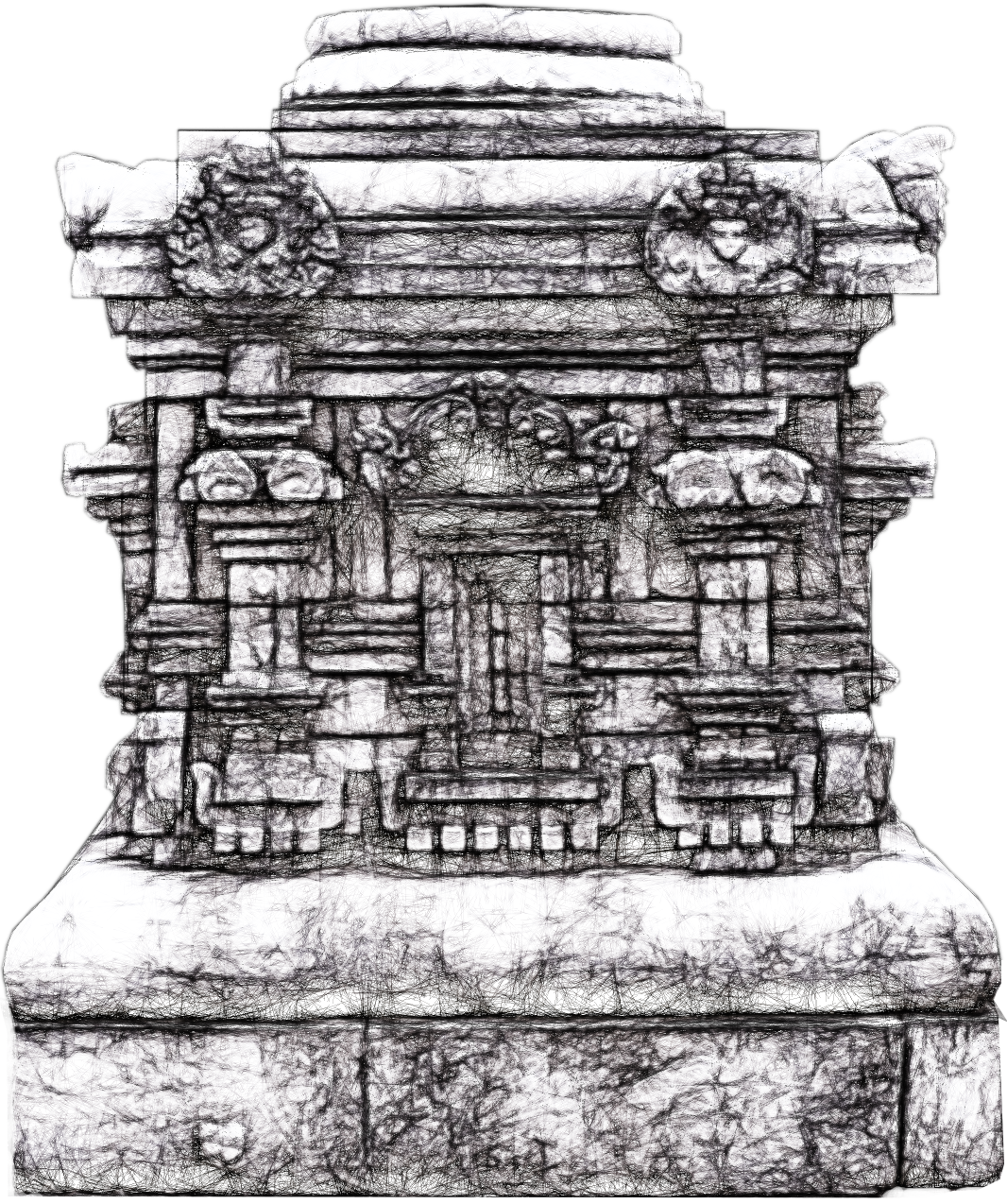
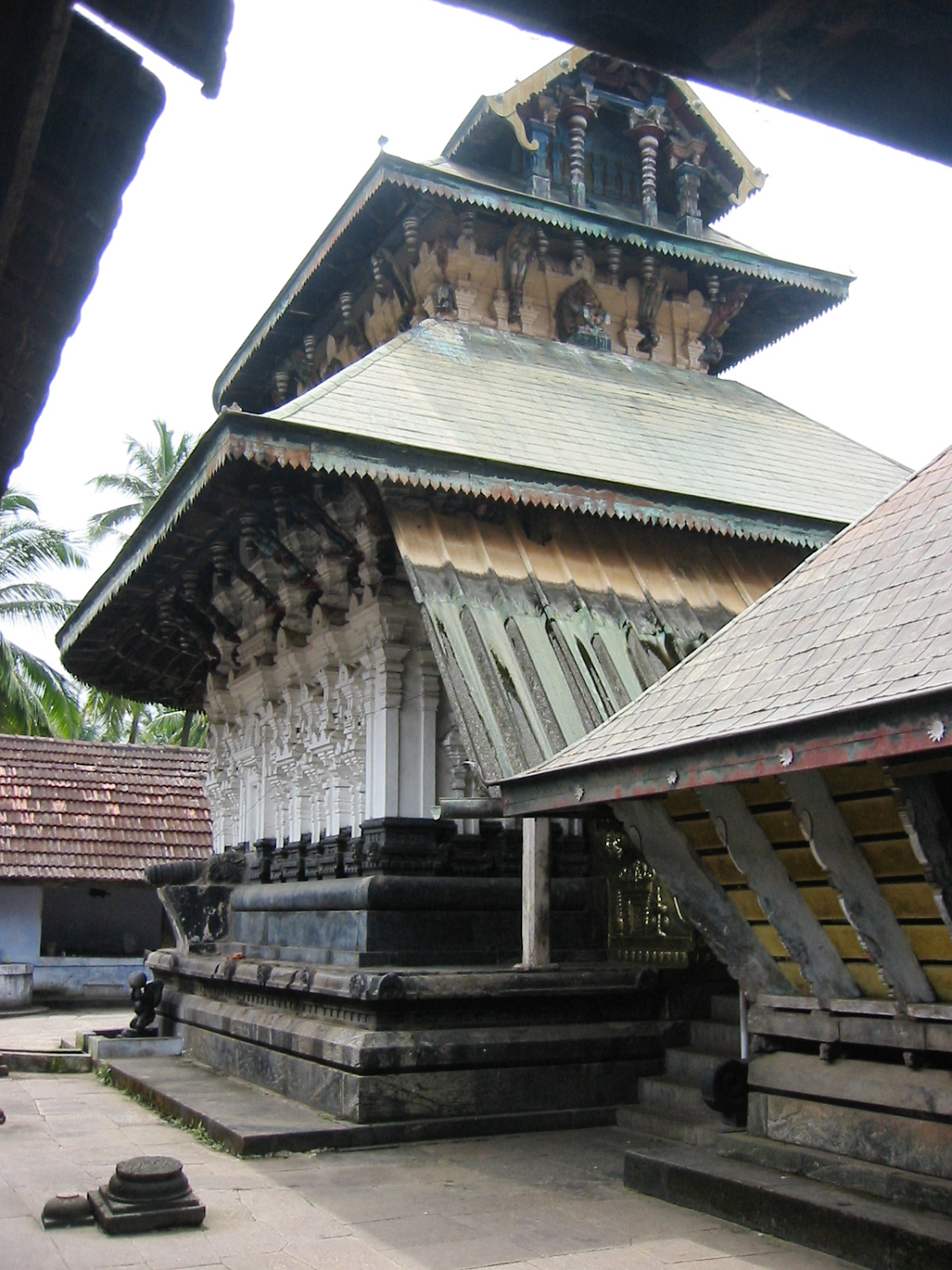
The temple evidences two major phases of construction, as represented by two adhiṣṭhānas and two sōpānas. The earlier adhiṣṭhāna serves now as the upapīṭha. Both the adhiṣṭhānas are in granite with the superstructure built in laterite. The first (and the older) sōpāna has two lateral flight of steps meeting at a common landing. The shrine is a dvi-tala vimāna with two gajapṛṣṭhākāra (elephant-back shaped) roofs, both being covered over with copper sheets on wooden framework. The dāru-śilpas at prastāra (entablature above the pillars) level shows mainly the Kirāta-Arjuna story in complete details. To the north of the principal shrine, outside the nālambalam is the shrine of Kṛṣna, with its own nālambalam but without a namaskāra maṇḍapaṃ.
An inscription was unearthed from the courtyard of this temple. The inscription has been read and interpreted by Mr. M. G. S. Narayanan in his book Perumals of Kerala. The reference to a king in the inscription is inferred by Mr. Narayanan as Rajaraja Cola. The inscription (ARE 220 of 1895) has been published in South Indian inscriptions, Volume No. 5, No. 784, page number 388.
A dissertation titled Jainism in Kerala in Kerala by T R Manoj, Padmakumari Amma. B, M S Dhiraj considers Thiruvaṇṇur to have been a prominent Jain settlement area and that the present day Śiva temple could have been a Jain temple earlier. "The Vatteluttu inscription discovered at this place proves the existence of a Jain temple around the 11th century A.D. and this was probably converted into a Siva temple in the same way as the temple at Trikkaṇāmatilakam was changed into a Siva temple."
Few photographs were shot between 1995-2000 and the rest in 2008.
An old picture collection of this temple can be seen here.